This is a Q&A with Amit Sreedharan, Business Head Energy – Europe and MEA – Energy, Services and Government at Infosys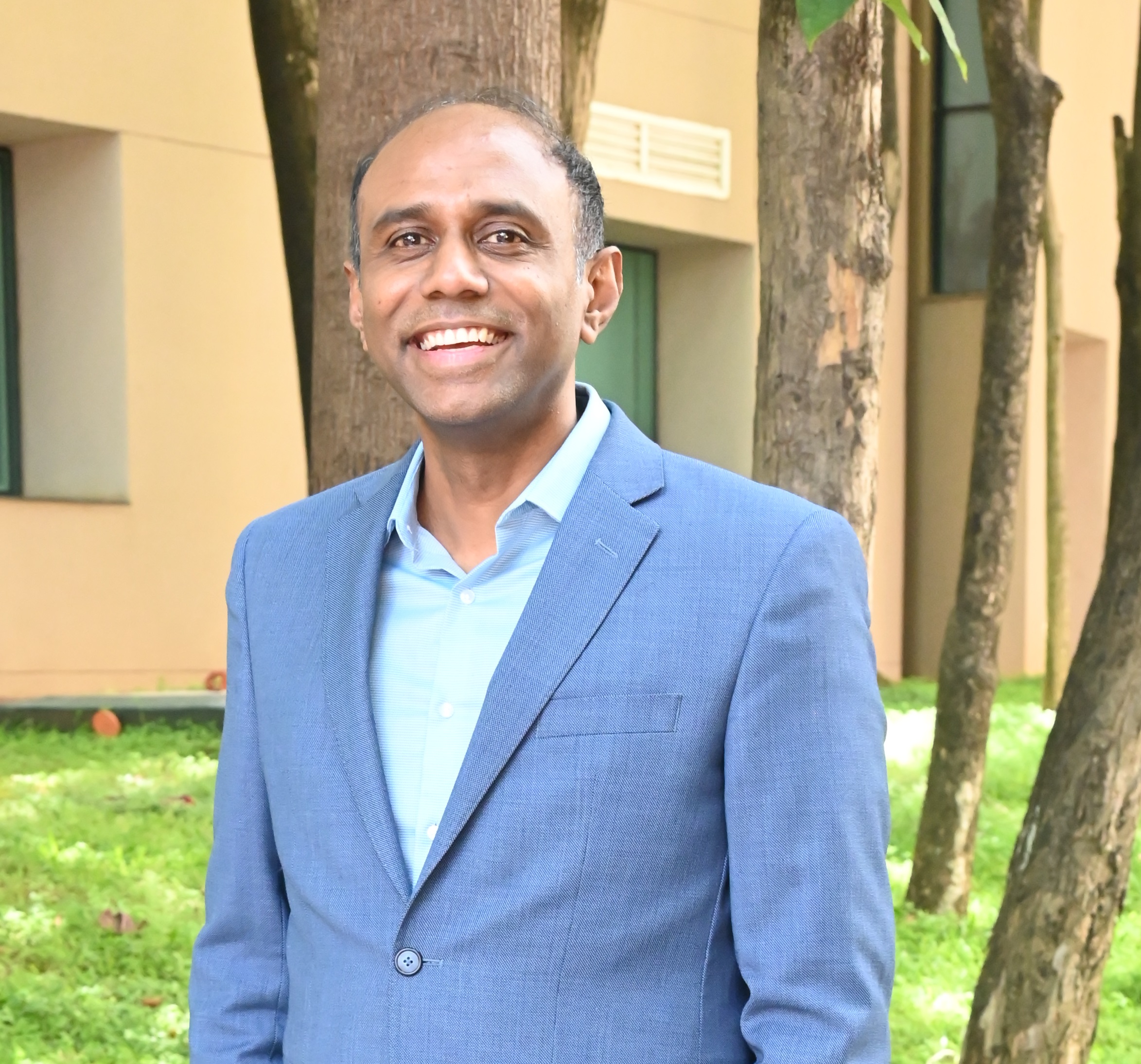.jpg?language=en-US "Infosys Amit Sreedharan headshot (1)")
What are the barriers to entry for small and mid-sized operators when it comes to leveraging data to improve operations?
Amit Sreedharan: Smaller operators can be incredibly effective in creating a strong, personal affinity with their customers. They know what their customers like and dislike (often on a personal level) and can react quickly to changing tastes and needs. These mom-and-pop operations represent the core of the industry and its entrepreneurial heart.
Just five years ago, many smaller operators couldn’t afford the software or hardware, meaning they had little to no integration between the fuel controller, the POS system and the back office—and thus almost no data. Today, a 10-store operator can stand up back-office analytics, digital ordering and a loyalty program in a single quarter. The only barriers we presently see are data quality and retailers’ understanding of the availability of affordable and scalable IT systems.
At Infosys, we work with everyone from the largest fuel retailers to true mom-and-pop shops. As AI adoption accelerates, it is redefining how individuals and organizations operate. Those who remain aware and adaptive will be best positioned to harness its full potential.
How has AI impacted these barriers to entry?
Amit: Thanks to pretrained AI models, small operators don’t need a data science team to do demand forecasting. Software as a service (SaaS) vendors are embedding AI into the workflows that operators already run. Vendor invoice reconciliation, labor scheduling that predicts traffic by daypart and assigns shifts automatically, planogram compliance via a phone camera—all of these are in production today, sometimes without the operator even knowing they’re using AI.
But there are new barriers. The first is data quality. Most small operators run on fragmented systems, and without basic data integration, smarter models don’t deliver.
Five years ago, the question was money. Today the question is judgment.
How have operators you’ve worked with improved their business?
Amit: Some operators have torn down their generic points programs and rebuilt personalized loyalty systems. They have seen app downloads more than double in a year. Active loyalty members grow faster than overall traffic, meaning new customers get acquired into loyalty before they become habituated transactional shoppers. The program shifts from a marketing expense to a customer-acquisition engine that funds itself.
We’ve seen a transformation in pricing and foodservice as retailers have rebuilt their strategies using data instead of intuition. They cut underperforming SKUs and tuned daypart pricing to local traffic patterns. The ones who executed well moved prepared food from a small basket share to a meaningful one in 12 to 18 months. These same tools can also reduce food waste.
How can businesses leverage data to build closer relationships with customers?
Amit: A key one is loyalty programs built around personalized offers instead of one-size-fits-all discounts. By combining information like the time of day, weather and a customer’s demographic data and past purchase history, a personalized program can recommend items or offer discounts that are relevant to that specific person in that specific moment. It could also include geofenced, contextual offers in a mobile app or via text message. Multiple convenience retailers use this technology to push the right offer when a known customer is near a store—or already inside one.
Then there’s forecourt commerce that takes advantage of modern automobile digital systems. Automobiles hold data that may include fuel level, the customer’s route and their preferred order. Multiple automotive manufacturers are running in-car commerce at meaningful scale. If operators don’t engage directly with these programs, the relationship with the fuel customer shifts to digital intermediaries. This is probably the single largest underappreciated use case for c-store data right now.
What other advancements are you most excited about?
Amit: With AI at the forefront of technology, we are seeing many exciting stories that will become core to the fuel convenience sector. For example, AI-based fraud detection software at self-checkout can make a big difference in loss prevention. The interesting consequence is what becomes possible afterward: Operators can expand the self-checkout footprint to stores where they were previously afraid of the loss exposure. Vision AI turns self-checkout from a margin liability into a labor productivity gain.
AI tools can also help with merchandise management. Some specialized AI ordering platforms for produce, bakery and deli are showing waste reduction numbers large enough to register at the CFO level. Shelf monitoring through computer vision (robots, fixed cameras, out-of-stock and planogram detection) is quickly moving from pilot to production. SKU-store-day demand forecasting sits underneath all of this.
In store safety, vision-based monitoring tools can track hazards, PPE compliance in food prep and parking incidents. Advanced AI software can also predict hardware maintenance life cycles better ensuring higher uptime of key equipment like coolers, freezers and even POS and fuel dispensers.
We are living through a period of rapid transformation, where store operations are steadily evolving toward autonomous models driven by robotics and intelligent systems. However, one principle remains constant: The human touch will always play a vital role, regardless of technological progress.