FKG Oil Co. has been including drive-thru windows in its new-build MotoMart stores since 2018. It is a small store set at this point—only six of the retailer’s 84 sites across the Midwest— but FKG remains bullish on the future of its drive-thru strategy.
“Drive-thrus have this amazing benefit. If you can train the delivery drivers to use it to pick up orders, there’s this really nice synergy there,” said Ian Forsyth, director of operations for the retailer.
There’s a major catch to MotoMart’s commitment to drive-thru. “We have drive-thrus installed at several locations, but we only really are actively maintaining and driving business through one,” Forsyth said.
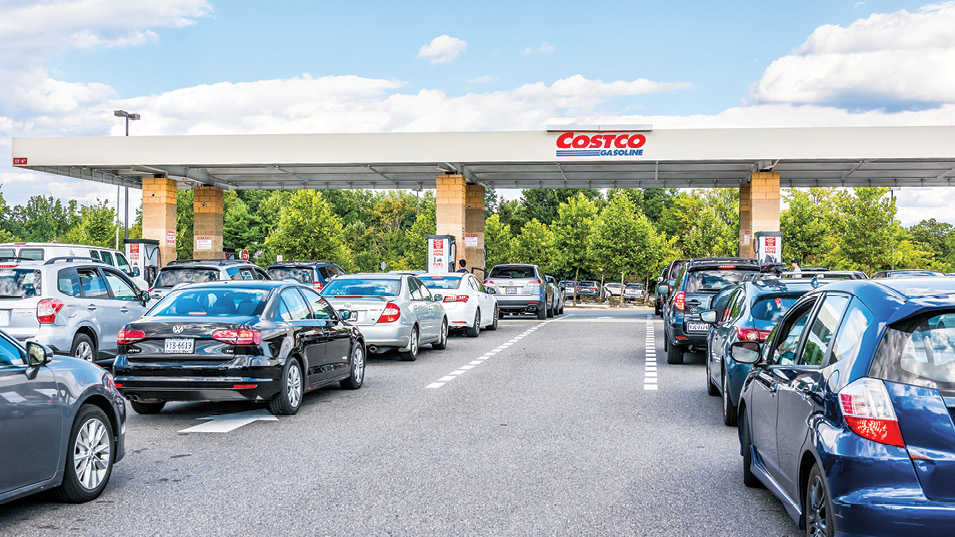
Such is the status of drive-thru concepts across the convenience-store industry—and indeed, even restaurants—as new reports show drive-thru traffic under pressure throughout the channel. But that doesn’t mean opportunity doesn’t remain for retailers who can appropriately manage the design, menu and labor model for such a strategy. Here’s what it takes to turn a window into a workable operating model.
The Customer Says Yes
The consumer case for c-store drive-thru is surprisingly strong. In a survey of 893 consumers this summer by Intouch Insight, 74% said they would use a convenience store drive-thru that serves made-to-order food. The important nuance: Most would not use it instead of a fast-food restaurant. Rather, 58% said they would use it in addition to a fast-food restaurant, while only 16% said they would use it as a replacement.
That distinction matters. It suggests the c-store lane is not simply a QSR copycat play. It may be a different occasion: a coffee stop with a gallon of milk, a made-to-order meal with a bag of chips, products ordered ahead via an app or a delivery driver collecting an order without having to exit the vehicle.
Half of consumers in the Intouch c-store survey said a drive-thru that combines a meal and everyday essentials in one stop is more appealing than one that sells food only. Sixty-four percent said they would be likely to use the lane for a non-food item if the drive-thru could sell almost anything in the store. And 65% saw positive value in a 24-hour c-store drive-thru, potentially giving operators a point of difference during hours when many QSR lanes are closed.
Why Some Windows Go Dark
MotoMart’s experience shows that the economics can get complicated quickly.
FKG’s newer stores were designed with drive-thru as part of a larger foodservice strategy. Its first next-generation store opened in 2018, when the company was introducing a dedicated proprietary foodservice platform called Crave Counter. The premise was a made-to-order program that would operate like a restaurant within the store, including a separate staff focused only on food.
“It was so expensive because we had to double up on labor, essentially. And the volumes didn’t match the amount of cost that we had aren’t asking ‘Should we add a window?’ They’re asking ‘How do we design the whole site around it?’ That’s the right question, because the single biggest predictor of success is commitment.”
That starts before the building is placed on the site.
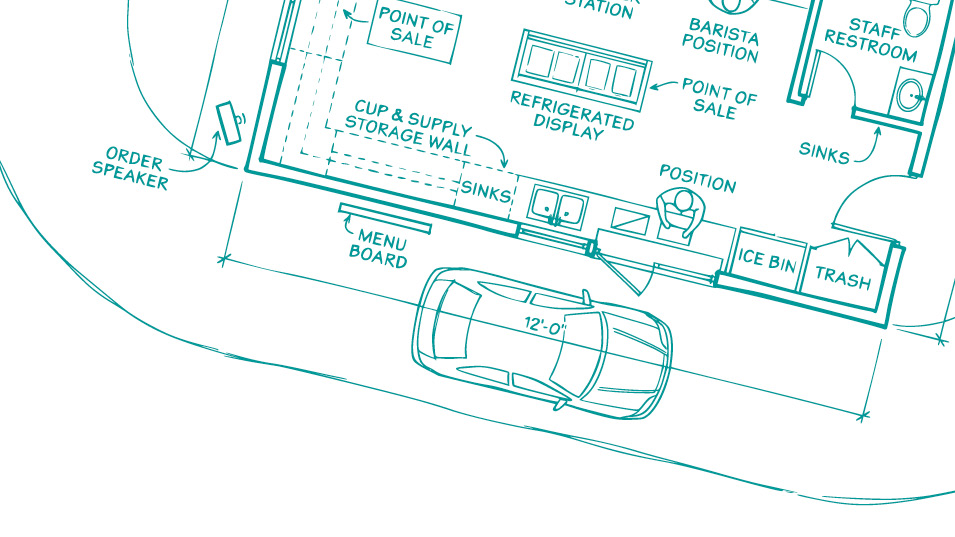
Outside, visibility also matters. The drive-thru lane should be positioned somewhere obvious to customers as they approach the site. If it is not, signage and wayfinding clues have to do the work. Further, clear menu boards can both explain the offer and advertise the breadth of what is available through the window.
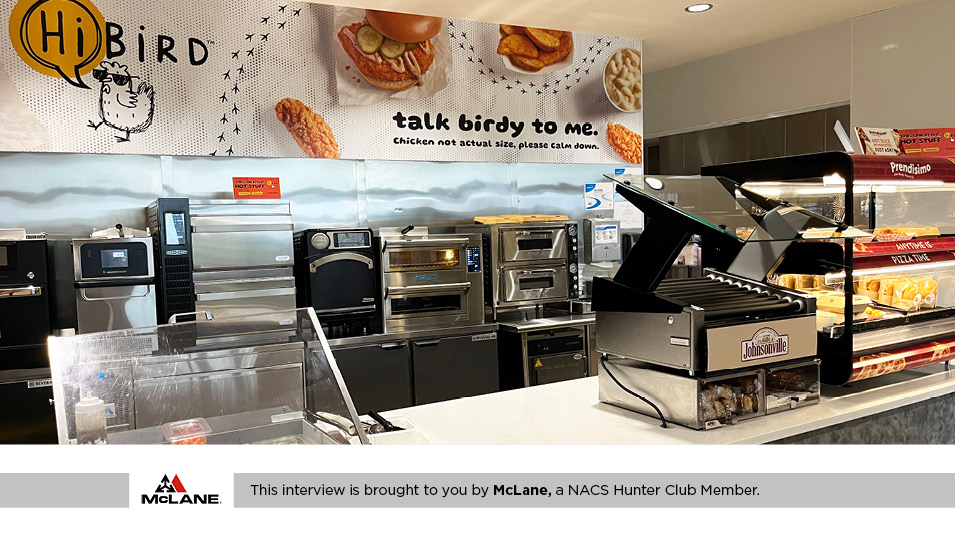
Inside the store, McCauley said, the most common drive-thru items should be reachable without forcing an associate to walk the sales floor. That can mean duplicated fixtures, a second coffee or fountain station, a dedicated cooler and top-selling SKUs within a few feet of the window. Otherwise, every add-on order becomes a service-time penalty.
Some operators also turn wait time into merchandising time by placing the queue where drivers can see into the drive-thru offer—cooler sets, pastry cases or promotional displays. The point is to make the lane feel like a c-store experience, not merely a restaurant window pasted onto a fuel site.
Foodservice Fit
Foodservice is often the reason operators consider drive-thru in the first place. It can also be the reason the lane struggles.
Forsyth said some menus are better suited to the volatility of drive-thru demand than others. A burger or boneless chicken program can often batch, hold and move product quickly. Pizza can work if customers understand the timing and if order-ahead is part of the occasion. Bone-in fried chicken, however, is harder to flex on demand because of cook time, fryer capacity and food-safety requirements.
“A fried chicken concept or a more elaborate made-to-order concept really doesn’t vibe or mesh well with a drive-thru,” he said. “It needs something really simple that can be prepared in bulk and quickly.”
That does not mean complex foodservice and drive-thru cannot coexist. It means the order path has to match the menu. A customer who orders at the speaker and expects immediate fulfillment creates one operating challenge. A mobile-order customer or third-party delivery driver who arrives after the product has been staged creates another—and potentially better—fit.
That is why MotoMart still sees upside. FKG is developing a new mobile app with delivery-service connections, and Forsyth believes order-ahead could make its pizza and chicken offers more workable through the lane by giving the store advance notice of what to prepare and when the customer or driver will arrive.
“That may allow us to capture a lot more volume from delivery drivers and from customers that are going to let us know ahead of time when they’re going to come pick the product up,” he said.
The Fulfillment Spectrum
The drive-thru question has become bigger than window service, according to McCauley. It now sits inside a broader conversation about last-mile fulfillment solutions: drive-thru, curbside, lockers, mobile pickup, in-store pickup and third-party delivery.
Wawa offers a useful example. The retailer tested two standalone drive-thru-only stores following the pandemic. Both were closed within four years. But the company has not walked away from car-based convenience. Instead, it has been adding “Fly Thru” mobile-order pickup windows at select stores, allowing customers to order through the Wawa app and pick up from a store window without leaving the car.
Wawa President Brian Schaller even described the mobile pickup window as the future of convenience during the retailer’s Wawa Day anniversary celebration in April.
McCauley’s read: It’s a pivot from a high-complexity restaurant-style lane to a fulfillment method that better fits Wawa’s broad, customizable menu and economics.
“Different tool, same underlying goal,” he said. “The fulfillment method is just the last few feet.”
That framing could be helpful for c-store operators because it creates a practical decision tree. Drive-thru is the highest-commitment option. It requires site engineering, dedicated workflow, training and capital. Curbside and lockers are lighter-touch and easier to pilot.
Mobile pickup windows can reduce order-taking complexity by shifting the transaction upstream into the app. Third-party delivery can extend reach but brings margin and control questions.
The strongest operators are not chasing a pandemic-era trend. They are choosing the fulfillment method that fits the site, customer base, food program and technology stack, McCauley said.
The macro backdrop is not all tailwind. Placer.ai’s May 2026 Dining Index found that quick-service restaurant visits declined 4.4% year over year, while short visits under 10 minutes—typically associated with drive-thru, pickup and delivery—fell 6.8%. Fast-casual short visits also declined, even as total fast-casual traffic stayed slightly positive.
Placer.ai tied the weakness to economic pressure, value sensitivity and elevated fuel costs. For c-stores, that creates a paradox. Higher fuel prices can discourage discretionary drive-thru occasions, but c-stores own the fuel trip. If the operator can attach foodservice, beverages or essential items to a trip the customer is already making, the lane may still have a role. The challenge is making the offer obvious and reliable enough to change behavior.
The Store That Works
Meanwhile, Forsyth said MotoMart continues to include drive-thru capability in new builds in part because retrofitting later may be impossible. The building must be offset to allow a lane. The forecourt has to work around it. Traffic patterns, parking, fuel movement, delivery access and pedestrian safety all have to be considered.
Ironically, MotoMart’s operational drive-thru site is not the company’s new-format store. It is a retrofit store in the Appleton, Wisconsin, area with an atypical customer base and deep local buy-in.
Forsyth said the location serves customers who may have difficulty getting out of their cars and walking into the store. For them, the drive-thru is not a novelty. It is a practical access point. The store team understands that and treats the lane as core to the business. The manager wears a headset to set an example, employees are cross trained, and with a steady stream of cars, the team takes pride in serving those customers.
That may be the clearest lesson. A drive-thru can work when it has a defined customer, a repeatable offer, a committed team and enough volume to earn management attention.
For the industry, the moment calls for less hype and more specificity. A drive-thru is not easy. It is a fulfillment strategy that works best when it is integrated with foodservice, mobile ordering, loyalty, labor planning and site design.
The c-store advantage is the basket: food plus coffee, beverages, tobacco where legal, snacks, milk, household items and, increasingly, digital pickup occasions. The c-store challenge is the same basket: Every additional category adds complexity, steps and potential friction.
The operators that win will not be the ones that simply install a window. They will be the ones that decide what the window is for and build the business around that answer.