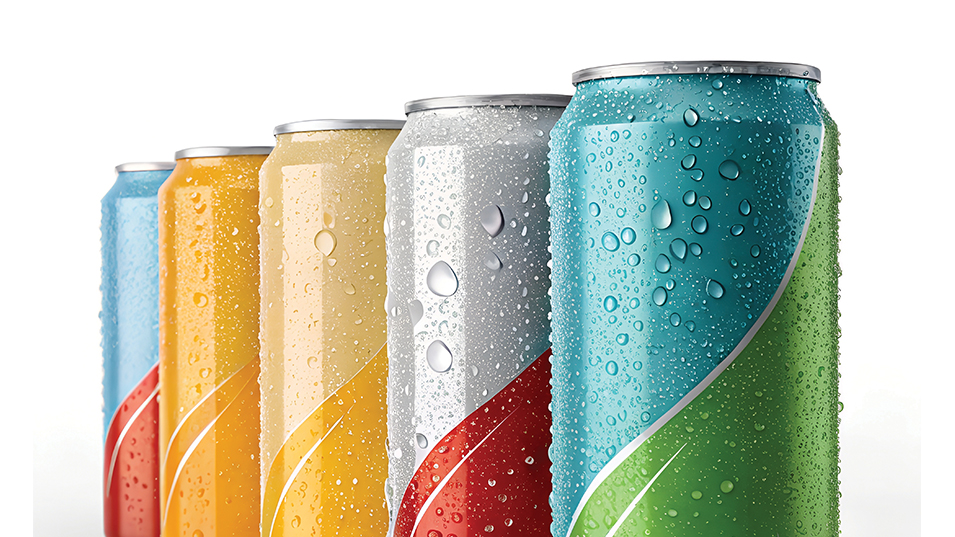
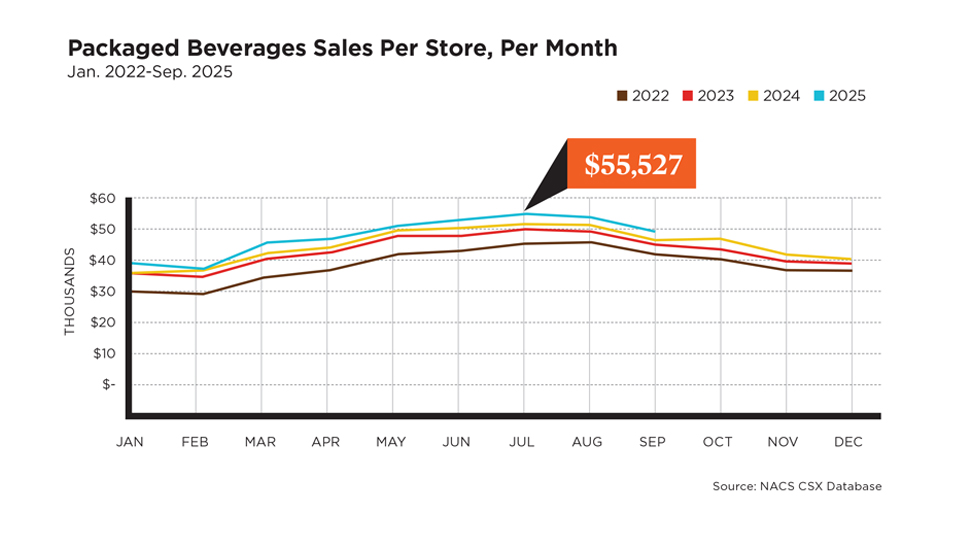
Beverages in convenience stores are a big business that keeps getting bigger.
“Consumers are turning to beverages for more than quenching their thirst,” said Sally Lyons Wyatt, global executive vice president and chief advisor, consumer goods and foodservice insights at Circana. “They’re turning to beverages for functional benefits, to replace meals or to be a snack. Innovation is helping to give customers what they’re looking for.”
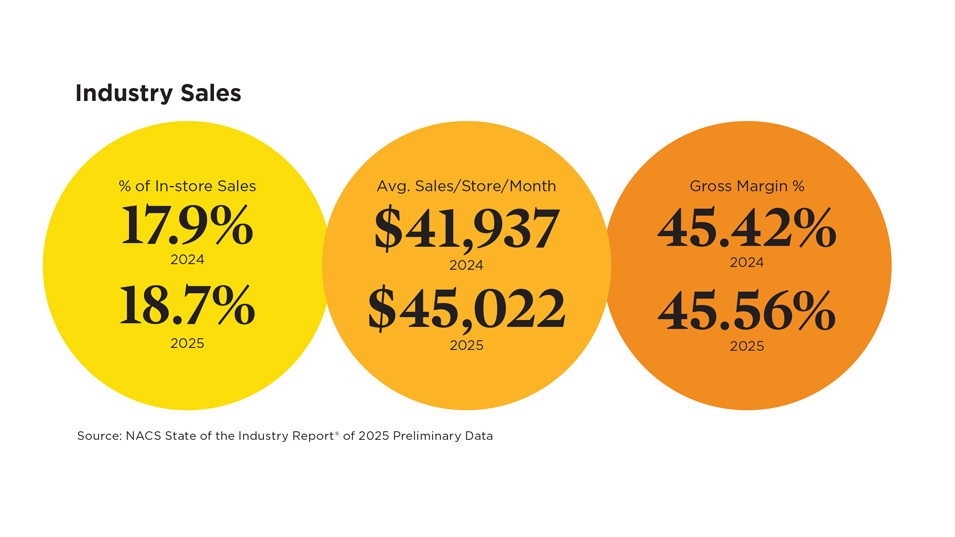
Packaged beverages are key for driving trips and building baskets inside c-stores. The category is consistently a top margin contributor for in-store merchandise, contributing more than 18% to in-store sales in 2025, according to preliminary NACS State of the Industry data.
Delivering What Customers Want
According to the Keurig Dr Pepper 2025 State of Beverages Trend Report, 44% of Americans, including 72% of Gen Z, try new beverages each month, which creates tremendous opportunities for flavor exploration and innovation.
In February, Keurig Dr Pepper announced 2026 plans to introduce more than 35 new drinks across its owned and partner brands. The company said the lineup delivers “what consumers want most: bold new flavors, twists on nostalgic favorites, more zero-sugar options and expanded energy offerings.”
“Our target consumer ranges from performance-minded shoppers to lifestyle users seeking ‘permissible’ energy,” said Kevin Martello, vice president of foodservice and industry relations at Keurig Dr Pepper. “We reach them through digital-first marketing, creator partnerships, in-store visibility, flavor-driven LTOs and clear functional callouts that highlight benefits at a glance.”
This year, Keurig Dr Pepper is bringing back Dr Pepper Creamy Coconut, the most successful LTO in the company’s history. New offerings include Bai Blood Orange, Mott’s 100% Juice in Strawberry Peach, and Mott’s Juice Zero Sugar in both Apple and Peach Mango. There’s also a full Snapple reboot in the works, including a Two Hundred Fif-TEA Party LTO in time to celebrate America’s 250th birthday.
“We’re also expanding flavorforward platforms, such as Canada Dry Fruit Splash, adding strawberry to meet rising demand for real fruit cues and variety,” said Martello.
Kevin LeMoyne, vice president of convenience retail at The Coca-Cola Company North America, noted that shoppers are redefining convenience by prioritizing speed, value and discovery.
“Despite ongoing economic pressure on low- and middle-income consumers—and fewer than two in five shoppers feeling they get good value—convenience stores remain a top destination for food and beverages, particularly for ‘treat myself’ occasions,” said LeMoyne.
“Variety strongly drives perceived value, second only to ease of getting in and out. Innovation continues to fuel growth, delivering nearly a quarter of non-alcoholic ready-todrink growth and 90% of sparkling soft drink immediate-consumption growth in the channel,” LeMoyne added. “And shoppers increasingly seek smaller portion sizes and new flavor experiences, relying on the channel for immediate-consumption food and drinks.”
In response to the desire for smaller servings, Coca-Cola introduced its 7.5-ounce mini can as a single-serve option on January 1 of this year. Mini cans have been a favorite in grocery aisles for more than a decade, but until now, they were sold only in multipacks.
Keurig Dr Pepper also plans to roll out 8.4-ounce cans designed for consumers seeking a smaller container and 100 milligrams of caffeine.
“Consumers today are looking for functionality, indulgence and value. Beverages with bold flavors or a treat-like experience continue to perform well as affordable, everyday indulgences,” said Paul Andreotta, chief commercial officer at PepsiCo Beverages U.S. “In the convenience channel specifically, shoppers often make quick, occasion-based purchases. Clear benefits, strong innovation and eye-catching flavors all play an important role in driving trial and repeat purchases.”
PepsiCo continues to invest heavily in innovation across the beverage portfolio, including new flavors, LTOs and functional products designed to keep the category exciting. The company’s recent innovations include Mountain Dew Cabo Citrus, Poppi Shirley Temple and Starbucks Coffee Plus Protein, along with Starbucks Chilled Refreshers Lemonade. There’s also a reformulation of Pure Leaf Zero Sugar, which “reflects growing consumer demand for great taste with no sugar,” said Andreotta.
Cherry-Picking Flavor
In February, Coca-Cola capitalized on the premium-soda trend with the LTO release of Coca-Cola Cherry Float. “This flavor innovation blends the classic taste of Coca-Cola with a nostalgic combination of cherry and creamy vanilla,” said LeMoyne.
In addition, Mr. Pibb has been revived with a bold reformulation and rebranding designed to meet consumer demand for intense flavor and extra caffeine. The company describes Mr. Pibb as a “an intense sweet cherry flavor with hints of caramel and a lingering spicy finish.”
“With 30% more caffeine than Pibb Xtra, Mr. Pibb is crafted for consumers looking for sparkling soft drinks with an edge in every sip,” LeMoyne said. “It launched in October and comes in two flavors, Thrillin’ Vanilla and Punchin’ Peach. It’s available in 12-ounce 12-pack, 20-ounce and two-liter bottles in select regions of the U.S., and we have plans to expand its availability this year.”
Fanta Sour Cherry, a springtime LTO, “will feature a vibrant dark red hue and a tantalizing sour twist, delivering a uniquely exciting taste profile that captures shopper attention,” he added. “Fanta Sour Cherry will be available in 12-ounce and 20-ounce bottles.”
When Energy and Function Collide
The functional drink market is one of the fastest growing segments in the global foods and beverage industry. It was valued at $164.68 billion in 2025 and is expected to hit $315.89 billion by 2033, reports Grandview Research.
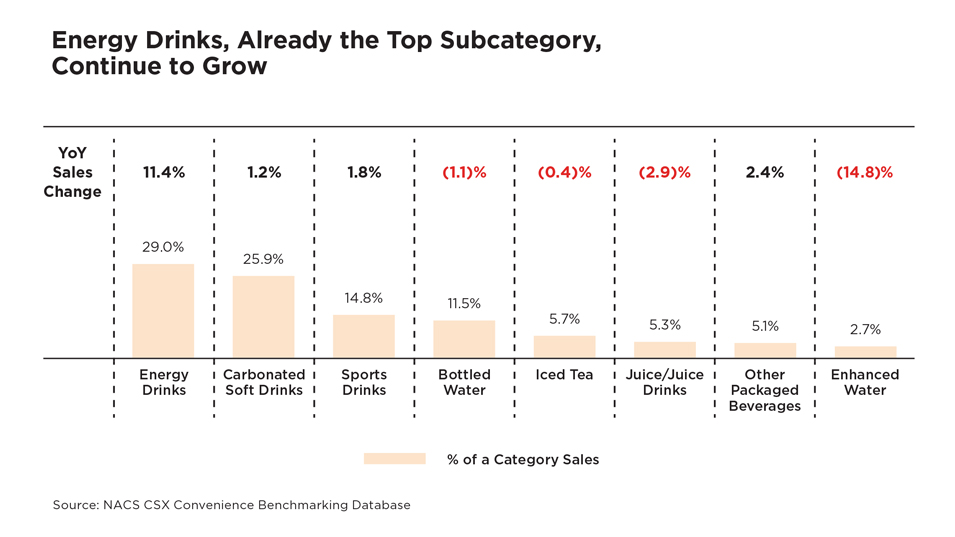
When energy drinks first hit c-store shelves over 20 years ago, customers gravitated to them for a big caffeine boost to get them through the day, but “the energy category is no longer one-size-fits-all,” said Martello.
“Shoppers are increasingly looking for bolder flavors, functional benefits, brands that match their lifestyle and options they can personalize,” Martello said. “We’re building a portfolio that reflects the different ways consumers use energy throughout their day— especially as female household penetration grows. Ghost Energy will anchor a major 2026 push with proven core flavors and high demand LTOs, including Sour Strips and Welch’s GrapeCran.”
Keurig Dr Pepper is responding to the growing demand for hydration and better-for-you benefits, “especially among Gen Z and Millenials, who significantly over-index in these categories,” Martello said.
“Electrolit leads rapid hydration with a high-efficacy electrolyte blend, while Ghost, C4, Bloom and Black Rifle Energy deliver functional ingredients, such as beta-alanine, B vitamins, prebiotics, nootropics and added hydration support,” Martello continued, adding that aside from Ghost, all the brands are Keurig Dr Pepper distribution brand partners.
“In hydration, Gatorlyte recently introduced a new tropical coconut flavor,” said PepsiCo’s Andreotta, “offering consumers another option with Gatorade’s specialized fiveelectrolyte blend.”
With so much activity in the marketplace, how can c-store operators get in on the hottest new drinks?
“Some retailers will see something new and will give the product 60 days. Others don’t want to be early adopters. They want a vendor to come in and demonstrate that the product is selling,” Wyatt said.
She continued: “We’ve seen a longterm impact on the choices consumers are making regarding food and beverages, with beverages being the No. 1 category driving growth. Foodforward convenience retailers will need to up their game. They need to be catering to the beverage client like they do the food client.”