This interview is brought to you by Mako Networks.
The traditional view is that networking is a utility until something breaks. How has the role of network management changed in the modern convenience store?
Jon Kelly, Chief Revenue Officer, Mako Networks: Historically, network success was measured by a simple question: Is the store connected? If the answer was yes, the network had done its job. Today, that’s not enough.
Leading operators are becoming far more proactive. They’re using network intelligence to automate compliance, simplify vendor management and identify risks before they create disruptions.
Network management is becoming a competitive advantage. Retailers that view networking as a utility are often playing defense. But retailers that view it as a business platform can scale faster, deploy innovation more efficiently and adapt more quickly to changing consumer expectations.
In the next decade, the network won’t simply connect stores. It will determine how quickly retailers can innovate, how effectively they can scale and how much value they can extract from every technology investment they make.
What’s the biggest mistake you see retailers make when modernizing their operations?
Kelly: Many operators modernize one project at a time—maybe they start with digital signage, then invest in a loyalty program or update a payment system. Individually, each investment makes sense. Collectively, they often create a fragmented environment. The result is higher costs, slower deployments, greater operational risk and increased burden on stores and IT teams.
The fastest ROI often comes not from adding another application, but from simplifying the technology stack that’s already in place. Retailers can unlock meaningful savings by consolidating infrastructure, reducing vendor dependencies, standardizing technologies across locations and creating a common platform that supports multiple business initiatives.
This is especially true in the fuel industry, where operators often inherit layers of legacy infrastructure from acquisitions, brand requirements and historical compliance decisions.
The retailers generating the strongest returns are focusing on simplification first. When technology becomes easier to deploy, manage and support, every future investment delivers greater value. Simplicity isn’t just an operational advantage—it’s a financial advantage.
What technology decisions have the biggest impact on long-term scalability?
Kelly: Growth creates complexity. Too often, companies build technology environments that work well at 50 locations but become difficult to manage at 500.
The retailers that scale most successfully have created a common technology foundation. They look for platforms that are centrally managed, cloud-enabled, secure by design and capable of supporting multiple brands and operating models.
This is especially important for multi-branded and proprietary fuel operators. Every new brand, payment platform, loyalty initiative or digital service introduces new requirements. Without standardization, costs and complexity will increase with every new feature.
The most successful retailers are thinking about whether today’s decision will make tomorrow’s growth easier or harder. They prioritize flexibility, automation and centralized management over solutions that solve only immediate problems.
How do you address the challenges that come with managing technology across multiple locations?
Kelly: Running technology across hundreds or thousands of locations is fundamentally different from managing a single store. Every location has its own tech needs and when something goes wrong, identifying the root cause quickly can be difficult.
The three challenges we hear most often are visibility, consistency and support.
First, many retailers lack real-time visibility into what’s happening across their estate and often discover issues only after a store is impacted.
Second, maintaining consistency becomes harder as operators add locations, acquire businesses or manage multiple fuel brands. Inconsistent configurations inevitably lead to inconsistent outcomes.
Third, support can become a burden when multiple vendors are involved, creating delays and frustration when critical systems are affected.
Technology should remove complexity, not add it. Retailers that simplify their environment can resolve issues faster, deploy new technologies more efficiently and scale with greater confidence.
Why is reliable, secure connectivity so important for convenience retailers?
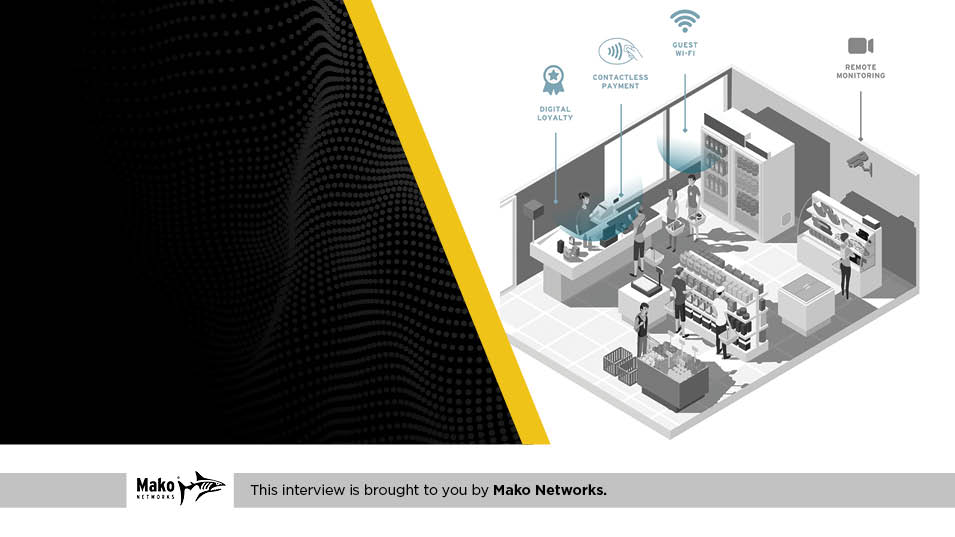
Kelly: Virtually every revenue-generating activity in a convenience store now depends on connectivity. A decade ago, an internet outage might have been largely inconvenient. Today, it can impact transactions, customer experience, operational efficiency and revenue simultaneously.
When you need to process card transactions, connect foodservice systems, enable remote operations, deliver digital marketing and more, connectivity issues aren’t just isolated IT problems—they are direct business disruptions.
Retailers also face an increasingly sophisticated landscape of cyber threats. Convenience stores manage sensitive payment information, customer data and critical operational systems that make them attractive targets. Protecting those assets requires resilient, secure, monitored connectivity.