Over the first half of 2026, the fuels market experienced a wild ride. Even if you thought that the conflict with Iran was likely, how it unfolded certainly couldn’t have been predicted—and as of mid-August, it’s still uncertain. Oil prices briefly fell to pre-conflict levels, but wholesale gasoline prices stayed stubbornly high. The on-again, off-again hostilities appear to be back on as of this writing, and it’s very much uncertain how and when ship traffic will resume through the Strait of Hormuz.
That’s just one factor that could affect the petroleum markets over the next few months. The weather, specifically Gulf Coast hurricanes, also could wreak havoc on the U.S. refining industry.
In addition, politicians looking to score points with voters for the November midterm elections could look to demonize parts of all or the petroleum industry.
Not surprisingly, some of that has already started. Will tariffs or other measures be imposed? And could price controls be far behind? It wouldn’t be the first time. In 1971, President Nixon sought to calm inflation by introducing price controls on food and fuel, among other items.
And those are just a few possible uncertainties that could stress the market—and fuel retailers. Not only is the future very much uncertain, but there is also not much the average retailer can do about the unpredictable.
So, taking the advice of former baseball player Oscar Gamble, who like Yogi Berra was notable for his quotes that didn’t seem to make sense but kind of did, “Ain’t no sense worrying about the things you got no control over ’cause if you got no control over ’em, ain’t no sense worrying.”
Instead, let’s review a few consumer insights that are in your control, looking at results gleaned from a NACS 2026 consumer survey.
Gas Is the Primary Reason for Their Stop
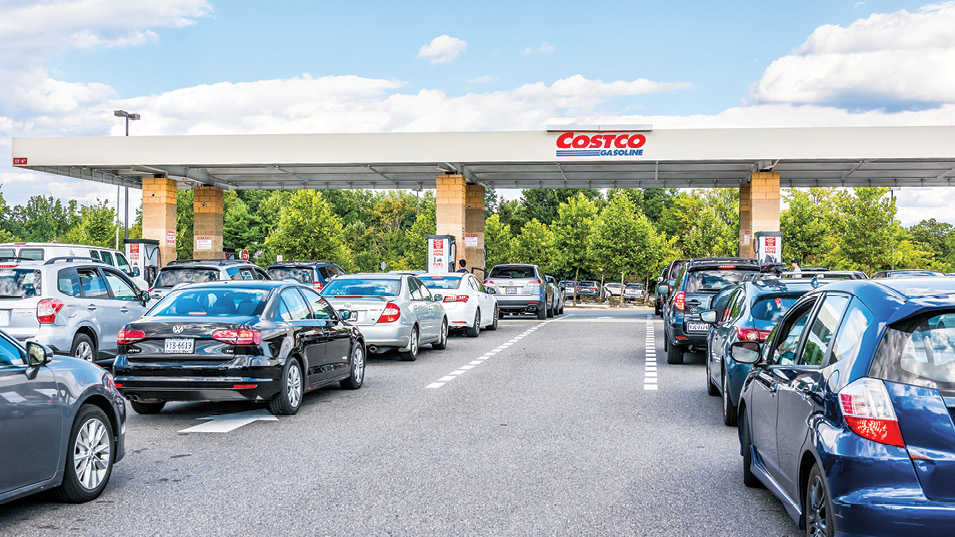
Picture a consumer who buys gas and goes inside the store. Gas is still the top driver for that visit. Among consumers who say they bought gas and also went inside the store during that fueling occasion, 44% said that they went to the store to purchase gas. Having a competitive gas price is an important part of the offer that gets consumers inside your store.
They Preplan Stops
Most drivers say that they determine where they are going to buy gas before they even get into the car: 60% say that they decide where they are buying gas before they get into the car, compared to 31% who make the decision after they are already driving.
While drivers are making decisions on where to buy their fuel before they even start their vehicles, that doesn’t mean that an on-site presence isn’t also critical. How you present your business plays a critical role in whether you become that station that drivers consider for regular visits. Is the lot clean and well lit? Is the in-store offer compelling? Yes, gas
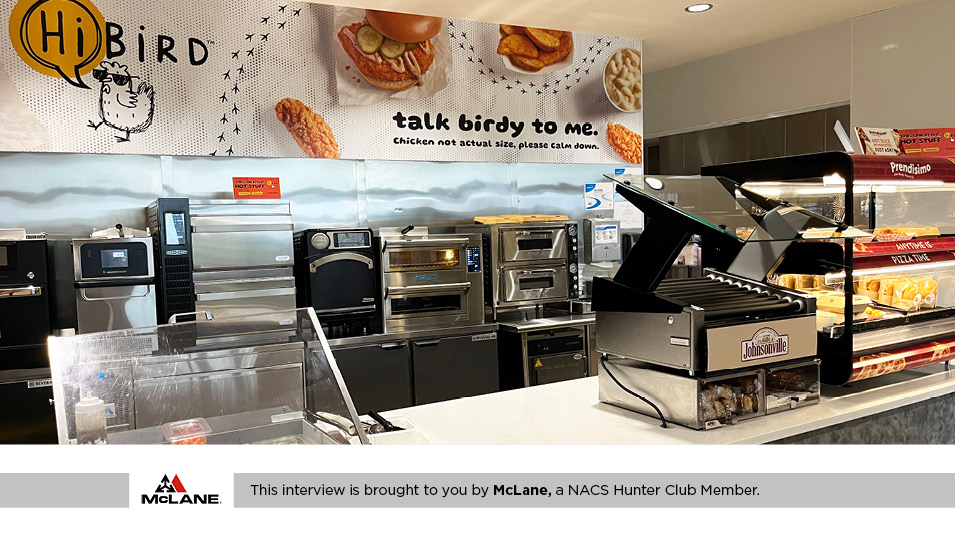
still drives customers to the lot—but the reverse is also true, with 48% of people who filled up saying that their primary reason for the stop was to get something to eat or drink.
And one way to entice drivers is through technology.
Loyalty Can Be the Deciding Factor
The smartphone has revolutionized retail, and that includes convenience and fuel retailers. First the bad news: It virtually wiped out important sales categories including magazines, newspapers, maps, camera film and greeting cards, not to mention sales of items to lost travelers who stopped at a store to get directions and also bought an item. However, there was one positive: The smartphone changed the relationship between the customer and the retailer from existing just inside the store to existing anywhere—and that presents new opportunities.
Half of all consumers (49%) say that they are a member of a c-store or gas station loyalty program. That direct connection to the consumer allows retailers to have conversations with their customers before they get in their vehicles, when most decisions are made. And loyalty programs make drivers more likely to shop at specific stores.
Looking Ahead
“It’s tough to make predictions, especially about the future,” noted Berra. And he’s not wrong. Everything feels uncertain—because it is—so trying to reconcile big issues outside our control will be difficult. But there are some certainties based on what consumers have told us.
By focusing on those knowns—gas often drives in-store purchases, purchase decisions are often made before drivers are in their cars and loyalty programs can help you cut through the clutter—you can help ensure your success when everything feels in flux.
.jpg?language=en-US)